Structured Finance
Aircraft Leasing & Structured Deals
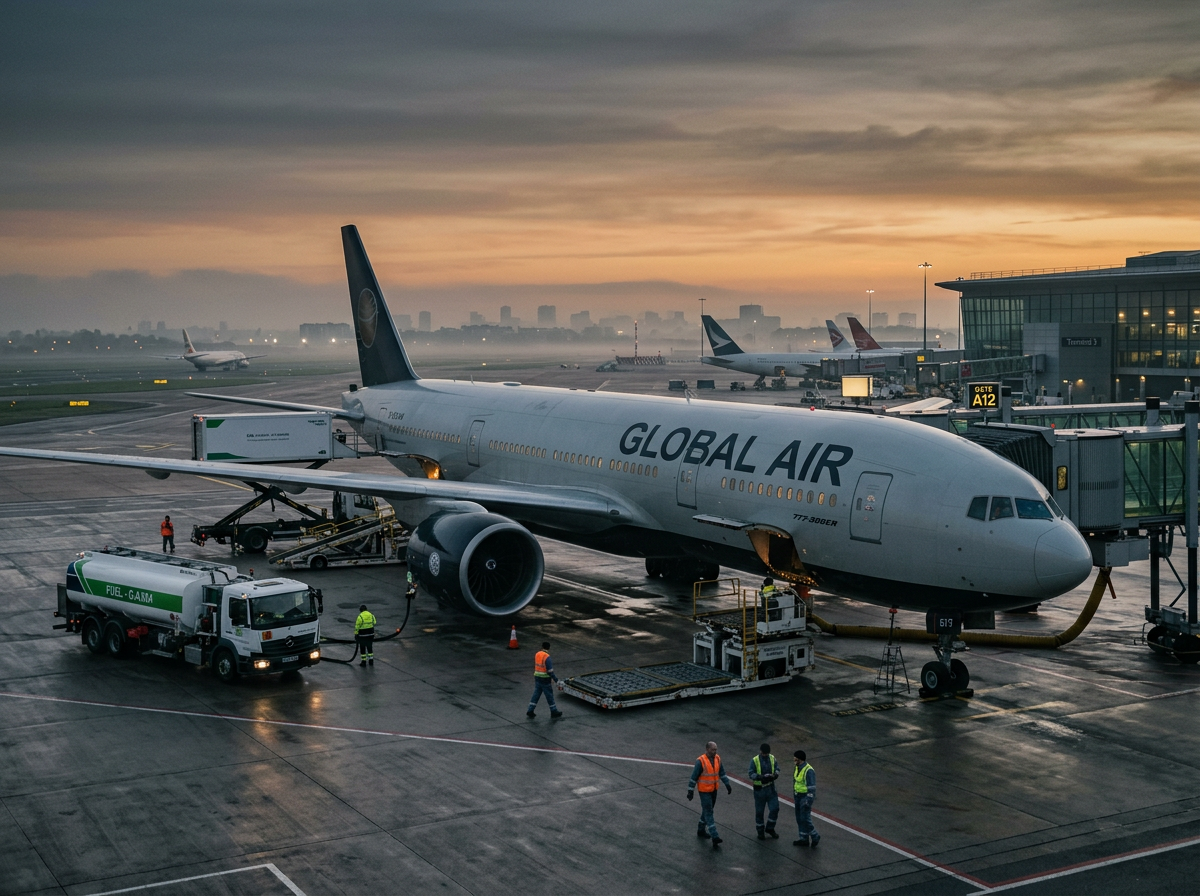
More than half the world's commercial fleet is leased. That single fact reshaped how aviation raises capital and who ultimately owns the sky.
Leasing began as a workaround. Airlines needed aircraft faster than their balance sheets allowed, and a small group of intermediaries realized they could hold the asset and rent out the utility. Fifty years later, that workaround has become the dominant ownership model in commercial aviation.
Why lessors exist
A lessor is fundamentally an arbitrage between two different costs of capital. Investment-grade lessors borrow cheaply against a diversified pool of hard assets. Airlines, which are cyclical and often sub-investment-grade, borrow expensively. The lessor captures the spread and takes on residual value risk in exchange.
- Operating leases give airlines fleet flexibility without long-term ownership risk.
- Sale-leasebacks convert owned aircraft into immediate liquidity, often at a premium to book value.
- Finance leases sit closer to a secured loan, transferring most ownership economics to the airline.
Securitization and the ABS market
The most elegant part of the structure is what happens next. Lessors pool lease receivables from dozens of aircraft across multiple airlines and geographies, then issue tranched notes against that cash flow. Senior tranches earn an investment-grade rating because they sit behind meaningful subordination and are secured by mobile, globally fungible collateral.
An aircraft is one of the few pieces of collateral that can be repossessed in one jurisdiction and re-leased in another within months.
That portability is what makes aviation ABS work. A warehouse cannot be flown to a new tenant. A twin-aisle jet can. Legal frameworks such as the Cape Town Convention exist specifically to make that repossession process predictable enough for capital markets to price it.
Where the risk actually sits
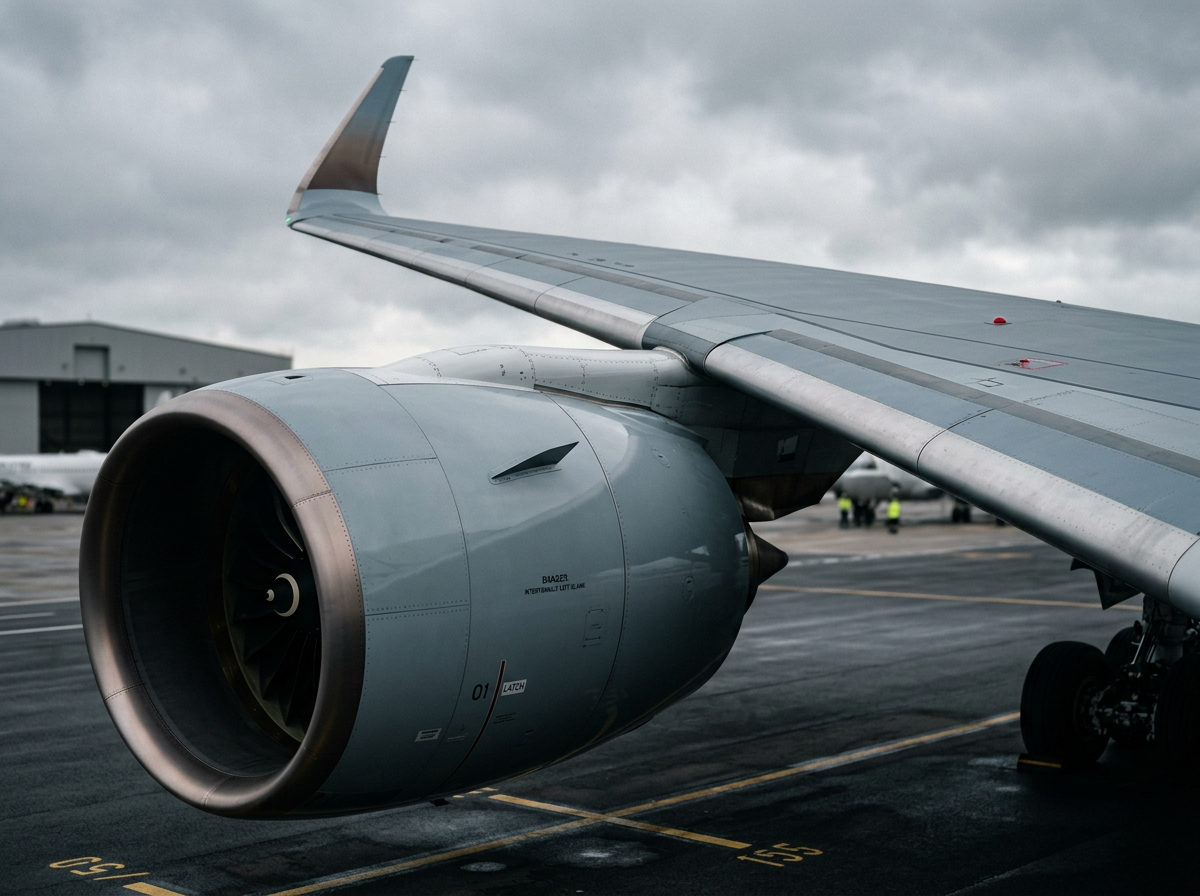
The headline risk in leasing is not lessee default. It is residual value. Every model assumes an aircraft will be worth a certain amount at the end of the lease, and every downturn tests that assumption. Technology transitions compound the effect: a fuel-efficient replacement variant can compress the values of a prior generation faster than any depreciation curve anticipated.
The best structured deals therefore diversify not just by airline but by aircraft type, age, and region. Concentration in a single popular variant looks like conviction right up until the moment it looks like exposure.