Infrastructure
Airport Infrastructure as an Asset Class
Airports are monopolies with runways. That single characteristic explains why long-duration capital keeps competing for them.
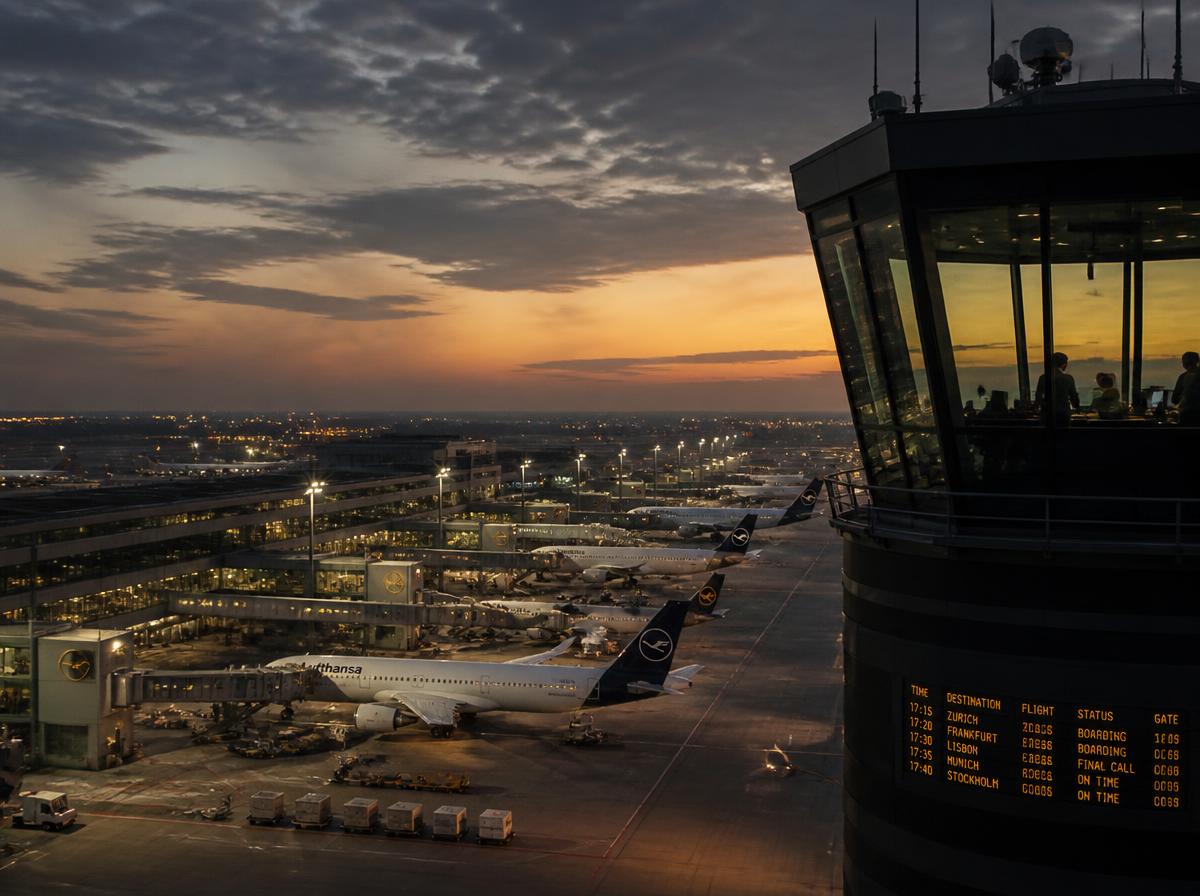
Infrastructure investors are looking for the same thing pension liabilities demand: predictable, inflation-linked cash flow over multiple decades. Few assets fit that description as neatly as a major airport, which combines regulated aeronautical revenue with commercially exposed retail and parking income.
Two revenue engines
Aeronautical revenue comes from landing fees, terminal charges, and passenger levies. It is usually regulated, often formula-linked to inflation, and highly stable. Non-aeronautical revenue comes from concessions, duty free, parking, real estate, and advertising, and it behaves much more like a retail business.
- Regulated aeronautical income provides the bond-like base of the return.
- Commercial concessions provide the growth and the operating leverage.
- Land holdings around the airfield often carry unrecognized development value.
The catchment moat
Airports are hard to replicate. Land, airspace, environmental approvals, and surface access make new hub construction near a major city practically impossible in most developed markets. The result is a natural catchment monopoly that regulators supervise precisely because competition cannot discipline it.
You can build a competing airline overnight. You cannot build a competing hub airport at all.
Where the risk concentrates
The fragility appears in two places. Passenger volumes collapse during systemic shocks, and regulatory resets can compress allowed returns with the stroke of a pen. Investors underwrite both by using conservative traffic recovery assumptions and by valuing the regulatory relationship as carefully as the physical asset.
Handled well, airport infrastructure remains one of the most durable ways to hold aviation exposure without taking airline credit risk.